
Home Workouts Without Gym Equipment: Stay Fit in the Comfort of Your Home
December 2, 2025
How to Prevent Back and Neck Pain: A Complete Guide
December 2, 2025
Good posture is more than just standing tall—it’s about maintaining the proper alignment of your body to support your muscles, joints, and spine. Poor posture can lead to back pain, fatigue, and even affect your confidence. The good news is that improving your posture naturally is achievable with consistent effort and mindful habits. In this article, we’ll explore practical ways to enhance your posture, the benefits of doing so, and simple lifestyle adjustments that can make a big difference.
Why Good Posture Matters
Before diving into tips, it’s important to understand why posture is crucial:
- Spinal Health: Proper posture helps maintain the natural curves of your spine, reducing strain on your back and neck.
- Reduced Pain: Slouching or hunching can lead to chronic pain in the neck, shoulders, and lower back.
- Better Breathing: Standing or sitting upright allows your lungs to expand fully, improving oxygen flow.
- Enhanced Appearance: Good posture projects confidence and can even make you look taller and more energetic.
- Improved Digestion: Proper alignment can help prevent compression of your internal organs, aiding digestion.
Now that we know why it’s important, let’s explore natural ways to improve your posture.
1. Strengthen Your Core
Your core muscles—which include your abdominal muscles, lower back, and pelvis—are essential for maintaining good posture. A strong core supports your spine and reduces the risk of slouching.
Tips to strengthen your core naturally:
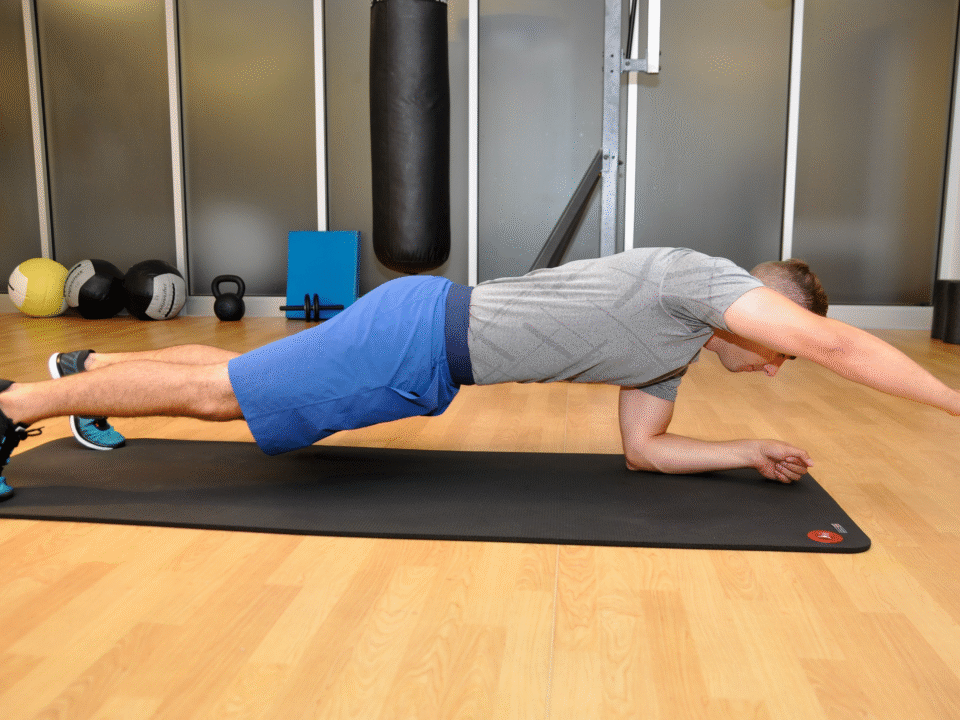
- Planks: Hold a plank position for 20–60 seconds, focusing on keeping your back straight.
- Bridges: Lie on your back with knees bent and lift your hips toward the ceiling.
- Pelvic Tilts: Lie on your back and gently tilt your pelvis upward, engaging your lower abdominal muscles.
Consistency is key—start with 2–3 sessions per week and gradually increase intensity.
2. Stretch Tight Muscles
Tight muscles, especially in your chest, shoulders, and hip flexors, can pull your body out of alignment. Stretching helps release tension and promotes flexibility.
Effective stretches for better posture:
- Chest Stretch: Stand in a doorway, place your hands on the frame, and gently lean forward to open your chest.
- Shoulder Rolls: Roll your shoulders forward and backward to relieve tension.
- Hip Flexor Stretch: Kneel on one knee, push your hips forward, and stretch your front hip.
- Upper Back Stretch: Interlace your fingers and stretch your arms forward while rounding your upper back.
Perform these stretches daily or after workouts to maintain flexibility.
3. Practice Mindful Sitting
Many people spend hours sitting at desks, which can worsen posture over time. Mindful sitting means being conscious of your position and making small adjustments.
Tips for sitting with good posture:
- Keep your feet flat on the floor.
- Avoid crossing your legs for long periods.
- Sit with your back against the chair and shoulders relaxed.
- Adjust your computer screen to eye level to avoid hunching.
- Take short breaks every 30–45 minutes to stand and stretch.
Using a lumbar support pillow or a rolled-up towel can help maintain the natural curve of your lower back.
4. Practice Posture-Friendly Exercises
Certain exercises naturally improve posture by targeting key muscle groups.
Recommended exercises include:
- Yoga: Poses like Mountain Pose, Cobra, and Cat-Cow strengthen the back and core while increasing flexibility.
- Pilates: Focuses on core engagement and spinal alignment, which enhances posture.
- Resistance Training: Exercises like rows, reverse flys, and shoulder blade squeezes strengthen postural muscles.
Even 15–20 minutes daily can gradually improve your alignment.
5. Adjust Your Sleeping Position
Your sleep position affects your posture as much as your daily habits. Poor sleeping alignment can strain your spine and muscles.
Sleep tips for better posture:
- Sleep on your back with a pillow under your knees to maintain the natural curve of your spine.
- If sleeping on your side, use a pillow between your knees.
- Avoid sleeping on your stomach, as it can twist your neck and spine.
- Choose a supportive mattress and pillow that suit your body type.
A few small changes can make a big difference over time.
6. Wear Posture-Supportive Footwear
Your feet are the foundation of your posture. Wearing the wrong shoes can throw off your alignment and cause strain up your legs and spine.
Footwear tips:
- Avoid high heels for long periods.
- Choose shoes with proper arch support.
- Opt for cushioned, comfortable shoes that distribute weight evenly.
Even small footwear adjustments can improve how you stand, walk, and sit.
7. Be Mindful Throughout the Day
Posture improvement isn’t just about exercises; it’s about habit changes. Being mindful of your body alignment throughout the day can reinforce good posture naturally.
Daily posture habits:
- Stand tall while brushing your teeth or waiting in line.
- Keep your shoulders relaxed and chest open while walking.
- Check in with your posture periodically, especially during screen time.
- Use reminders or apps to prompt posture corrections.
Over time, these small adjustments become second nature.
8. Stay Active
Sedentary lifestyles contribute to poor posture. Regular physical activity keeps muscles strong and flexible, preventing slouching.
Activity tips:
- Take short walks during breaks.
- Use a standing desk or alternate between sitting and standing.
- Engage in sports or activities that promote strength, balance, and flexibility.
Consistency in staying active supports all other posture-improving efforts.
Benefits of Improving Posture Naturally
By following these tips, you can experience a wide range of benefits:
- Reduced back, neck, and shoulder pain.
- Increased energy and reduced fatigue.
- Enhanced confidence and appearance.
- Improved breathing and digestion.
- Better performance in sports and daily activities.
Remember, improving posture is a gradual process. It requires awareness, consistent effort, and a combination of exercises, stretches, and daily habits.
FAQs About Improving Body Posture Naturally
1. How long does it take to improve posture naturally?
Improvement can be seen in as little as 4–6 weeks with consistent exercise, stretching, and mindfulness. Full correction may take several months depending on muscle imbalances and habits.
2. Can poor posture cause headaches?
Yes, poor posture, especially hunching or forward head posture, can strain neck muscles and lead to tension headaches.
3. Are posture-correcting devices effective?
They can help remind you to sit or stand properly but are most effective when combined with exercises and habit changes.
4. Can children develop good posture naturally?
Yes, encouraging regular activity, stretching, and proper sitting habits helps children maintain good posture as they grow.
5. Is it okay to practice posture exercises at home?
Absolutely! Many posture exercises, stretches, and strengthening routines can be done safely at home without equipment.
Conclusion
Improving your body posture naturally is a combination of awareness, strength, flexibility, and healthy habits. By incorporating core strengthening, stretching, mindful sitting, proper sleep, and daily posture checks, you can enhance your alignment, reduce pain, and improve your overall health. The key is consistency—small, daily efforts can lead to lasting changes. Start today, and your body will thank you!