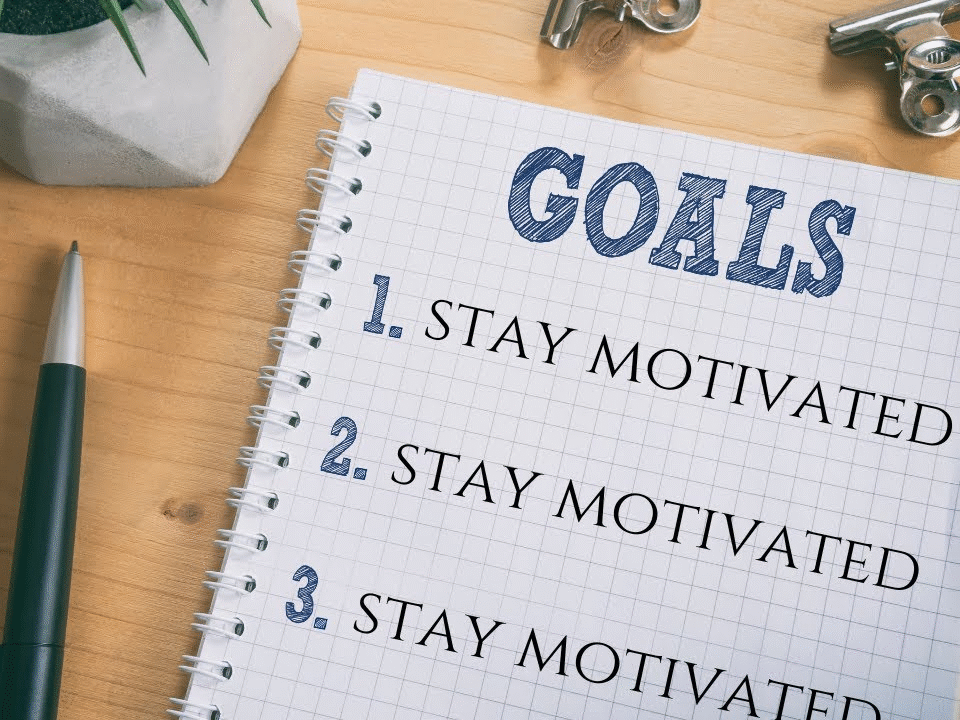
How to Stay Motivated Every Day: A Simple Guide to Keep Your Energy High
December 2, 2025
How to Take Professional-Looking Portraits: A Complete Guide
December 2, 2025
Confidence and self-esteem are the keys to living a fulfilling and happy life. They influence how we see ourselves, interact with others, and handle challenges. Yet, many people struggle with self-doubt, negative thinking, and a lack of belief in their abilities. The good news is that confidence and self-esteem can be built and strengthened with consistent effort, patience, and the right strategies.
In this article, we will explore practical ways to build your confidence and self-esteem, improve your mindset, and feel more empowered in your daily life.
Understanding Confidence and Self-Esteem
Before diving into strategies, it’s important to understand what confidence and self-esteem are.
- Confidence is the belief in your abilities and skills to accomplish tasks and face challenges.
- Self-esteem is the overall sense of self-worth and value you place on yourself.
While confidence focuses on specific abilities, self-esteem is about how you feel about yourself as a whole. Both are interconnected; improving one often boosts the other.
1. Identify and Challenge Negative Thoughts
One of the first steps to building confidence is recognizing your inner critic. Many people sabotage themselves with negative thoughts like:
- “I’m not good enough.”
- “I can’t do this.”
- “Everyone is better than me.”
These thoughts reduce confidence and lower self-esteem. The key is to challenge and replace them with positive, realistic statements.
How to do it:
- Write down negative thoughts as they arise.
- Ask yourself: Is this thought true? Am I exaggerating?
- Replace it with positive affirmations like: “I am capable of learning new things” or “I have strengths that matter.”
Consistently practicing this rewires your brain to focus on your abilities instead of limitations.
2. Set Small, Achievable Goals
Setting small goals is a powerful way to build confidence. When you accomplish tasks, no matter how small, your brain releases a sense of achievement, boosting self-esteem.
Steps to set achievable goals:
- Break big tasks into smaller, manageable steps.
- Focus on progress, not perfection.
- Celebrate each success, even minor ones.
For example, if you want to improve public speaking, start by speaking in front of a mirror, then a small group of friends, and gradually larger audiences. Each step reinforces your confidence.
3. Focus on Your Strengths
We often focus on what we lack instead of what we have. Acknowledging your strengths can significantly improve self-esteem.
How to focus on strengths:
- Make a list of your skills, talents, and achievements.
- Ask friends or family to share what they admire about you.
- Engage in activities that allow you to use these strengths regularly.
By celebrating your abilities, you develop a sense of pride and confidence in who you are.
4. Practice Self-Care and Body Language
Confidence isn’t just mental—it’s physical too. Taking care of your body and how you present yourself can dramatically impact your self-esteem.
Self-care tips:
- Exercise regularly to boost energy and reduce stress.
- Maintain a healthy diet and get enough sleep.
- Dress in a way that makes you feel comfortable and confident.
Body language tips:
- Stand tall with shoulders back.
- Make eye contact during conversations.
- Smile genuinely—it releases endorphins and makes you appear approachable.
These small habits signal to yourself and others that you value yourself, reinforcing self-esteem.
5. Learn New Skills
Learning and mastering new skills builds confidence quickly. Each new skill demonstrates your capability and resilience, helping you feel more competent in life.
Ways to learn new skills:
- Take online courses or attend workshops.
- Join clubs or groups related to your interests.
- Challenge yourself to try new hobbies.
Remember, confidence grows not from avoiding challenges but from facing them head-on and learning from experiences.
6. Surround Yourself with Positive People
The people you spend time with influence your mindset. Being around negative, critical, or toxic individuals can undermine your confidence. On the other hand, positive and supportive people lift you up.
Tips:
- Seek friends, mentors, or colleagues who encourage and motivate you.
- Distance yourself from individuals who constantly bring you down.
- Engage in communities that share your goals and values.
Positive social environments provide encouragement, constructive feedback, and validation—all crucial for building self-esteem.
7. Accept Mistakes and Learn from Them
Fear of failure often prevents people from stepping out of their comfort zones. Remember, everyone makes mistakes—it’s part of learning and growing.
How to handle mistakes:
- View mistakes as lessons, not personal failures.
- Reflect on what went wrong and how to improve next time.
- Avoid self-blame; instead, celebrate the effort you put in.
By embracing mistakes, you reduce fear, increase resilience, and strengthen your confidence over time.
8. Practice Self-Compassion
Being kind to yourself is essential for healthy self-esteem. Many people are harsher on themselves than on others, which erodes confidence.
Ways to practice self-compassion:
- Treat yourself like you would treat a friend in a difficult situation.
- Speak kindly to yourself, avoiding harsh criticism.
- Celebrate small victories and personal growth.
Self-compassion allows you to recover from setbacks quickly and maintain belief in your worth.
9. Visualize Success
Visualization is a powerful tool used by athletes, entrepreneurs, and performers to boost confidence. By imagining yourself succeeding, your brain begins to accept it as possible.
How to visualize success:
- Spend a few minutes each day picturing yourself achieving your goals.
- Imagine the details—how you feel, what you say, and the reactions of others.
- Combine visualization with positive affirmations for maximum impact.
Over time, visualization strengthens belief in your abilities and reduces anxiety when facing challenges.
10. Take Action Consistently
The final step to building confidence is action. Confidence is not something that magically appears—it grows when you step out of your comfort zone and face life’s challenges.
Action plan:
- Start small, but take consistent steps toward your goals.
- Keep track of progress to see how far you’ve come.
- Learn from feedback and adapt, but keep moving forward.
Action reinforces self-efficacy—the belief that you can handle situations—forming the foundation of lasting confidence.
Conclusion
Building confidence and self-esteem is a journey, not a destination. It requires patience, self-reflection, and consistent effort. By challenging negative thoughts, setting achievable goals, celebrating strengths, practicing self-care, learning new skills, and taking action, you can transform the way you see yourself.
Remember, confidence is about trusting your abilities, and self-esteem is about valuing yourself. Both grow stronger when you commit to growth, embrace challenges, and treat yourself with kindness. With these strategies, you can live a more empowered, fulfilling, and happy life.
FAQs
1. Can confidence and self-esteem be improved at any age?
Yes! No matter your age, you can build confidence and self-esteem by practicing positive habits, challenging negative thoughts, and taking small steps toward personal growth.
2. How long does it take to see results?
The time varies for each person. Some may notice small improvements in a few weeks, while others may take months. Consistency is key—regular practice brings long-lasting change.
3. Are confidence and arrogance the same?
No. Confidence is believing in your abilities while respecting others. Arrogance is overestimating yourself and putting others down. Healthy confidence is humble and balanced.
4. Can social media affect self-esteem?
Yes, constant comparison on social media can lower self-esteem. Limit exposure to negative influences and focus on your personal growth instead of comparing yourself to others.
5. What should I do if I feel stuck and lack motivation?
Start with small, manageable actions. Even tiny progress builds momentum. Pair action with self-compassion, supportive people, and goal visualization to regain motivation and confidence.