

How To Choose the Right Family Dentist for Your Loved Ones
March 10, 2026
Advances in Dental Implant Technology
March 11, 2026
Key Takeaways
- Operational expertise combines adaptability, strategy, technology, continuous learning, and empathy to drive success.
- Adaptive leadership helps teams navigate change and uncertainty effectively.
- Strategic thinking aligns daily actions with long-term goals and uncovers opportunities.
- Technology and data optimize processes and inform better decisions.
- Continuous learning keeps teams agile and innovative.
- Communication bridges teams, ensuring alignment and shared purpose.
- Sustainability and responsibility embed ethical practices that benefit organizations and stakeholders.
Introduction
The business world is evolving at a pace never seen before, leaving little room for error among today’s leaders. In this environment, operational expertise is more than just an added bonus for those in charge; it has become a necessity for driving organizations forward with clarity and confidence. Leaders who understand operational mechanics are better equipped to drive efficiency, foster a culture of innovation, and navigate the complexities that confront organizations daily. The story and career path of Louis Chenevert illustrate how a mastery of operations can translate into transformative leadership. This article delves into the essential lessons from operational expertise that can elevate decision-makers and help them establish a sustainable path to success.
Operational expertise is not about mastering one process or tool. Instead, it is a comprehensive approach that blends adaptability, strategic foresight, technological acumen, a commitment to learning, and empathy for others. Leaders who embrace this skill set stand out in an era defined by rapid change and rising expectations.
Embracing Adaptive Leadership
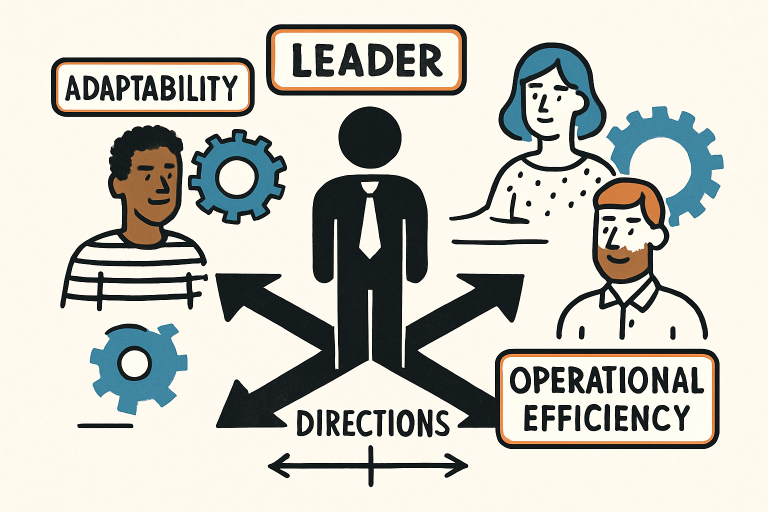
The most resilient leaders are those who respond well to shifting circumstances and emerging challenges. Adaptive leadership is about understanding that change is constant and equipping teams with the tools and mindset to respond promptly. Leaders who model this adaptability empower their organizations to thrive during periods of uncertainty.
Instead of relying on rigid playbooks, adaptive leadership encourages ongoing learning and flexible thinking. By being open to feedback, fostering collaboration across departments, and ensuring that the organization is nimble, leaders can more effectively overcome obstacles. A strong adaptive mindset helps leaders pivot strategies while keeping the organization’s broader goals in perspective.
Developing Strategic Thinking
Operational leaders must excel at balancing day-to-day management with an ability to see the bigger picture. This dual view ensures that short-term actions align with the organization’s long-term vision. Strategic thinking requires cultivating curiosity, questioning current norms, and dedicating time to reflective planning.
Encouraging teams to look beyond immediate tasks and consider the potential consequences of their decisions can uncover innovative solutions and identify hidden risks. When operational excellence aligns with strategy, leaders can transform their teams into proactive agents of future growth.
Leveraging Technology and Data
Modern operations are powered by data-driven insights and an array of digital tools that enhance every facet of decision-making. Artificial intelligence, predictive analytics, and the emergence of digital twins are helping leaders optimize supply chains, predict future trends, and address challenges before they escalate. Organizations that swiftly integrate new technologies into their workflows gain a distinct competitive advantage.
It is essential for operational leaders to stay informed about the newest advancements and consider how they align with overarching business objectives. By identifying the most impactful technologies and fostering a culture that embraces experimentation, leaders can cultivate greater innovation and resilience.
Fostering Continuous Learning
Organizations that prioritize ongoing learning are better prepared for disruption. Leaders who make continuous professional development a cornerstone of their culture ensure their teams remain agile and up to date with the changing business landscape. This includes both formal training and informal knowledge-sharing practices within the team.
Continuous learning extends beyond technical skills. Leaders who are curious, adaptable, and open to new perspectives are better able to anticipate change and craft relevant solutions. The ability to absorb insights from within and outside the organization is a distinguishing trait of successful operational leaders.
Enhancing Communication Skills
Communication is a leadership superpower, especially for those responsible for complex operations. Being able to clearly articulate goals, share progress, and address concerns ensures alignment at every level of the organization. Leaders with strong cross-functional communication skills bridge departments, break down silos, and foster a sense of shared mission.
In today’s business landscape, this form of communication enables the management of distributed teams and the alignment of global operations. Transparency and active listening are the cornerstones of effective leadership communication, allowing leaders to influence and drive results outside their direct areas of control.
Prioritizing Sustainability and Social Responsibility
As expectations around corporate social responsibility and environmental impact increase, operational leaders are playing a central role in making sustainability a business imperative. By embedding ethical and sustainable practices into core operational processes, leaders can drive real change that resonates internally and externally.
Sustainable operations are not driven solely by regulatory requirements, but also by the recognition that responsible business practices benefit all stakeholders in the long term. This includes rethinking resource consumption, promoting fair labor practices, and integrating ethical considerations into every step of the value chain.
Final Thoughts
Operational expertise offers vital lessons for each new generation of leaders. By embracing adaptive leadership, developing strategic thinking, harnessing technology and data, encouraging continuous learning, enhancing communication, and making sustainability a priority, today’s leaders can not only meet current challenges but also lay the foundation for long-term success. The future of leadership will belong to those who master operational excellence in the pursuit of both profitability and purpose.